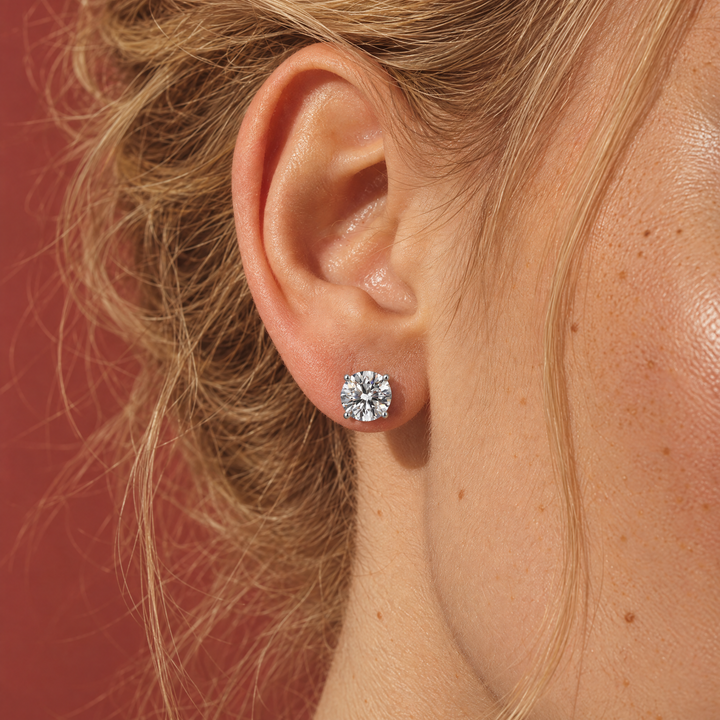







Lab-grown engagement rings
Every lab-grown ring, solitaires included, each with its own IGI certificate.
Choosing by shape and carat
View the collectionOne diamond on a plain band, in solid 14K gold: lab-grown from 1 to 5 carats, or natural.
In Brief
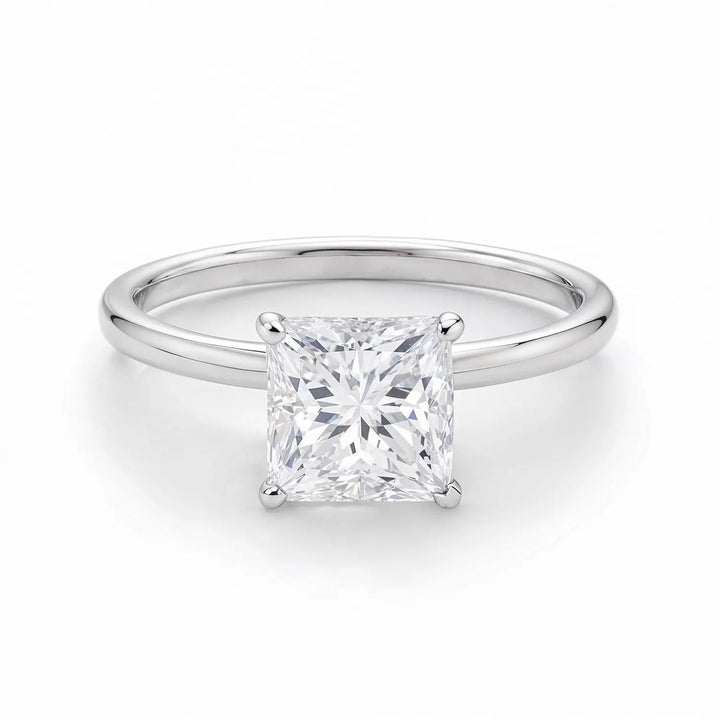
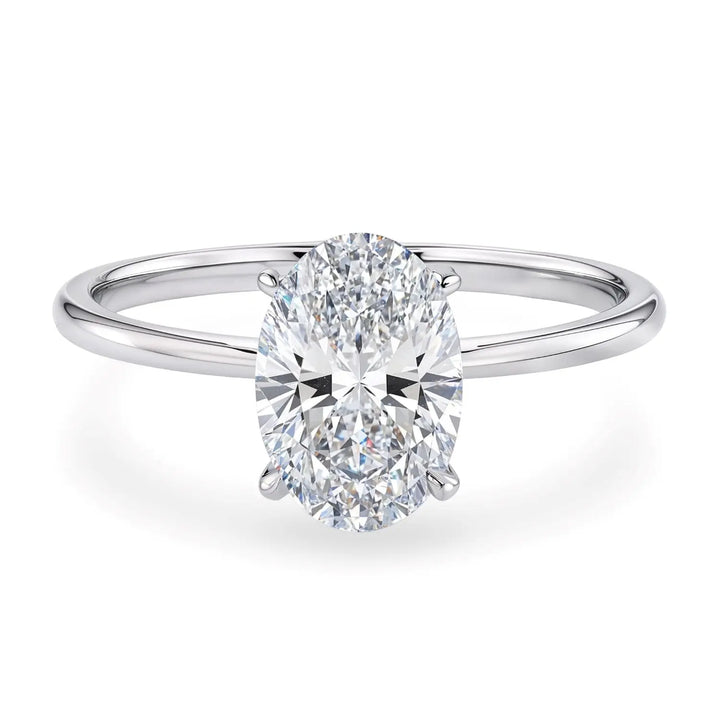
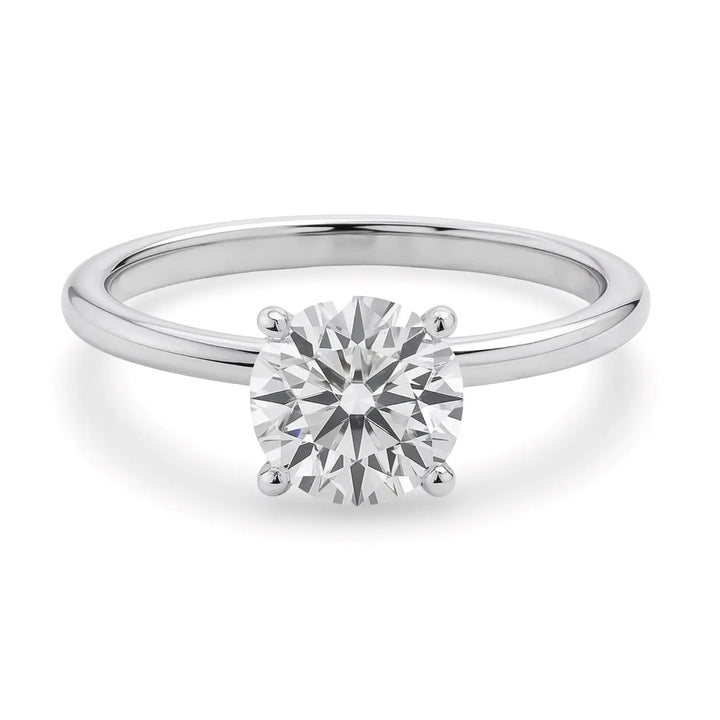
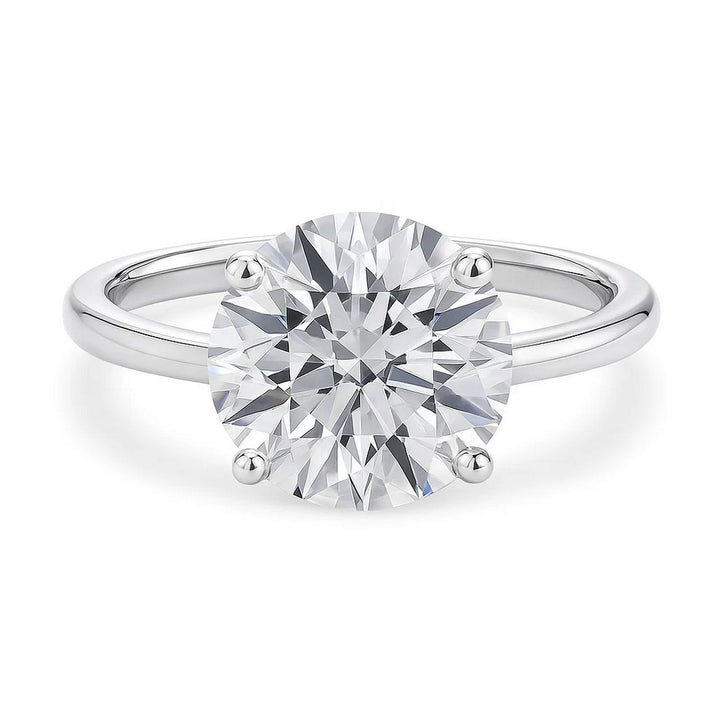
A solitaire engagement ring holds one diamond on a plain band, so the stone and its setting carry the whole design. DEEVE's solitaires are made in solid 14K gold: thirty set with a lab-grown diamond, in six cuts at five carat weights from 1.00 to 5.00 ct, and three set with a natural diamond in 14K white gold. Free worldwide shipping, with delivery in 5–7 business days.
Every lab-grown ring, solitaires included, each with its own IGI certificate.
Choosing by shape and carat
View the collectionSolitaires, halos and pavé bands, lab-grown and natural together.
Seeing the full range
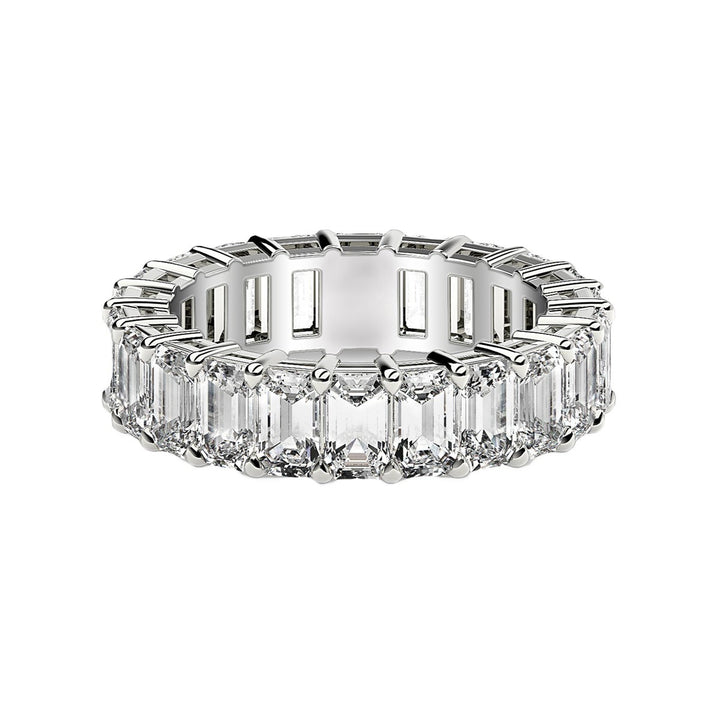
View the collectionDiamonds unbroken the whole way around, for the band that comes after.
The anniversary, not the proposal
View the collectionThe Guide
The DEEVE Standard
FAQ
A ring with a single center diamond on a plain band, with no side stones or halo, so all the attention goes to the diamond and its setting.
1.00, 1.50, 2.00, 3.00 and 5.00 ct, each in round, oval, princess, radiant, emerald and cushion cuts, in solid 14K white or yellow gold. Every lab-grown solitaire ships with its own IGI certificate.
Yes, three, in 14K white gold: 0.50, 0.97 and 1.00 ct, with I–J color. Natural diamonds at DEEVE are conflict-free and responsibly sourced.
Yes. One resize is included free, and the lifetime warranty covers prong work and rhodium re-plating in our in-house workshop.
From the Journal
 How to Choose an Engagement Ring: A Lab-Grown Diamond Buying Guide
Read the guide
 How Big Is a 1 Carat Diamond? 1, 2, 3 and 5 Carat Rings on the Hand
Read the guide
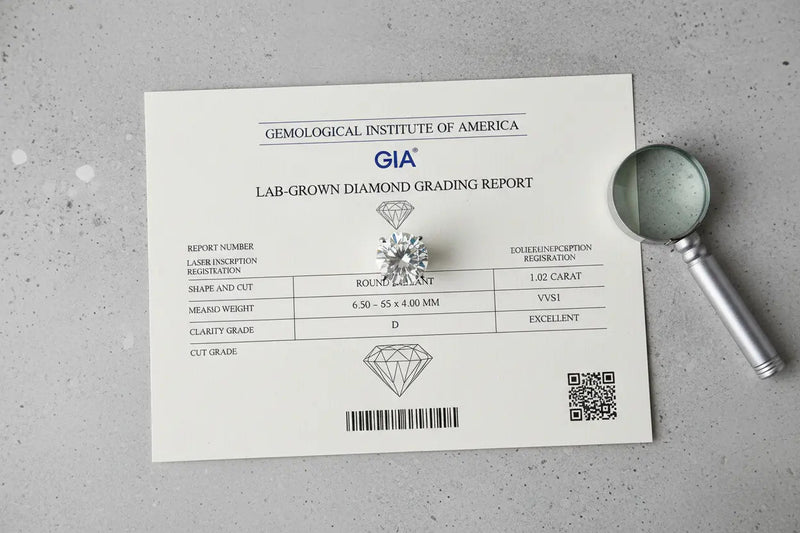 What Is an IGI Lab Grown Diamond Certificate — and How Do You Read One?
Read the guide
 Diamond Certificates & Grading Reports: IGI, GIA & What They Mean
Read the guide
 IGI vs GIA for Lab-Grown Diamonds: Which Certificate Should You Trust?
Read the guide
 Lab-Grown vs Natural Diamonds: Are They Really the Same?
Read the guide
 Lab-Grown Diamond Myths Debunked: What's True, What's Marketing?
Read the guide
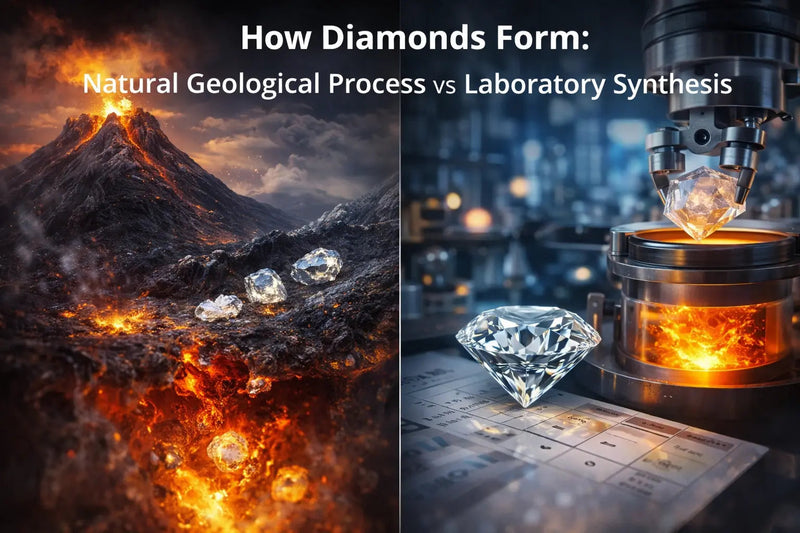 How Are Diamonds Formed? Natural vs Lab-Grown Formation Explained
Read the guide
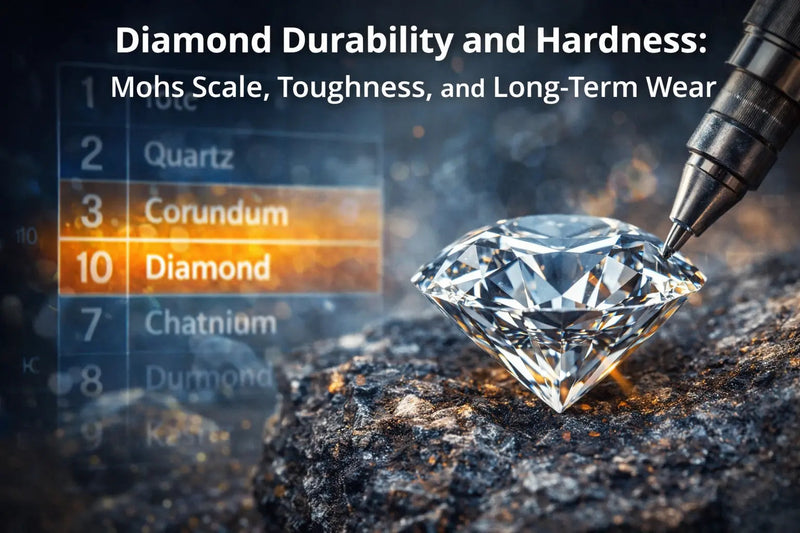 How Durable Are Diamonds? Hardness, Toughness & Long-Term Wear Explained
Read the guide
 The Complete Lab-Grown Diamond Guide: Everything You Need to Know Before You Buy
Read the guide
 Lab-Grown Diamond Price Per Carat in Canada: October 2026 Index
Read the guide
 Lab-Grown vs Mined Diamonds: Which Is Better for the Environment?
Read the guide
 Are Diamonds Ethical? Conflict-Free, Kimberley Process & Traceability Explained
Read the guide
 Diamond Brilliance, Fire & Scintillation: What Makes a Diamond Sparkle?
Read the guide
 What Is a Type IIa Diamond? The Purest Diamond Explained
Read the guide
 Understanding GIA Reports: Grading & Verification
Read the guide
 What Is an HRD Diamond Certificate — and Should You Trust It for Lab-Grown Diamonds?
Read the guide
 GIA vs HRD Diamond Certificates: Which Is Better for Lab-Grown Diamonds?
Read the guide
 What Is a Lab Grown Diamond? Science, Quality & Why They're Real
Read the guide
Recommended pieces


About this collection
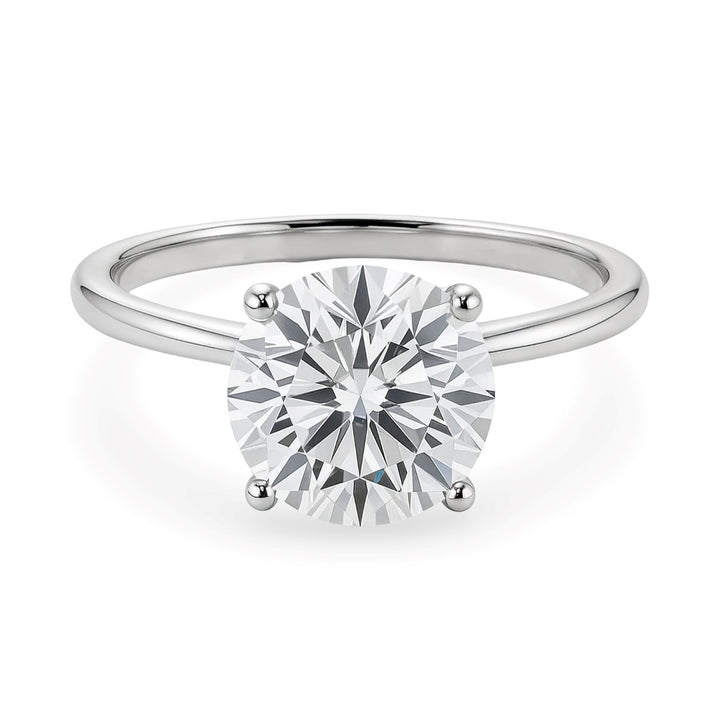
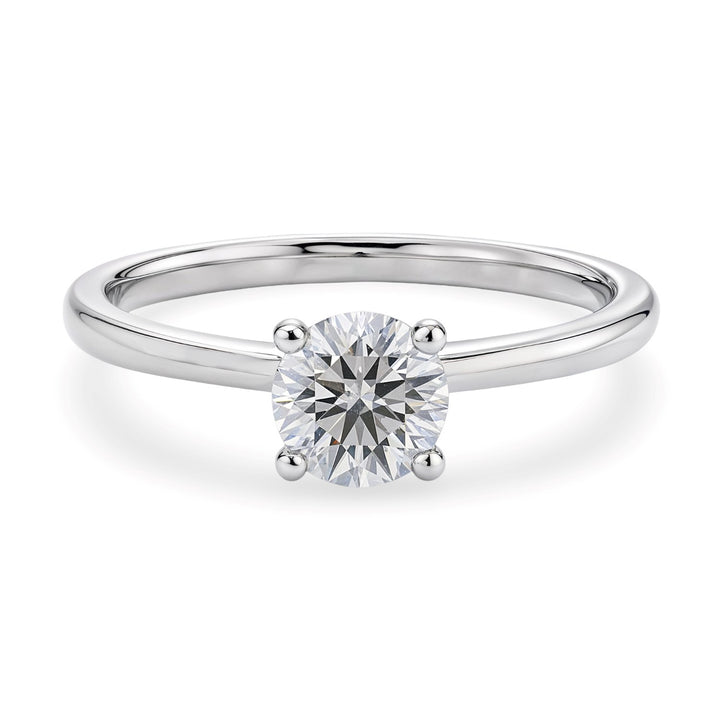
A solitaire engagement ring holds one diamond on a plain band, so the stone and its setting carry the whole design. DEEVE's solitaires are made in solid 14K gold: thirty set with a lab-grown diamond, in six cuts at five carat weights from 1.00 to 5.00 ct, and three set with a natural diamond in 14K white gold. Free worldwide shipping, with delivery in 5–7 business days.
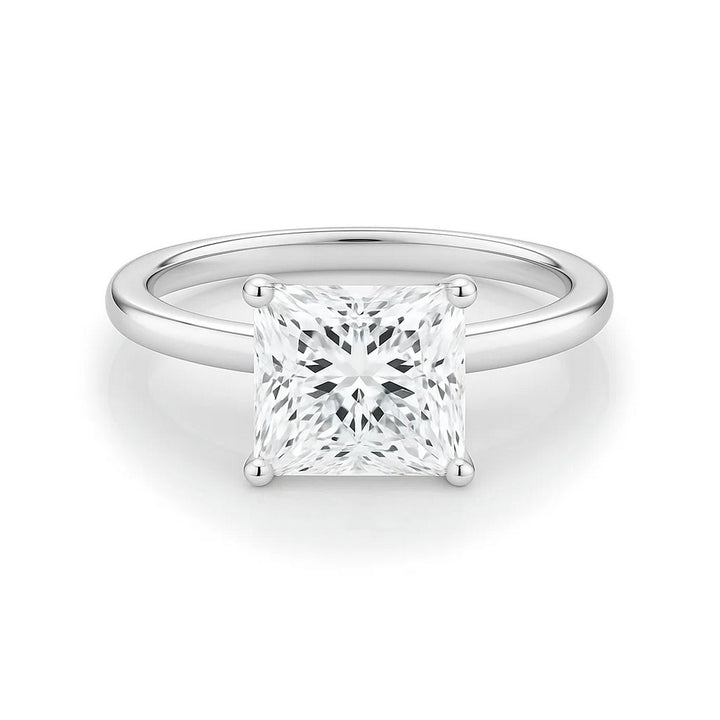
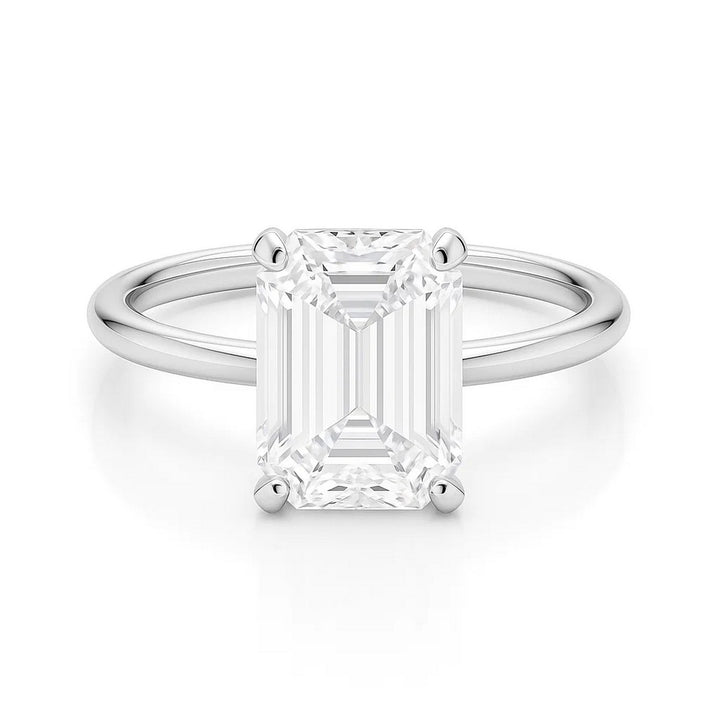
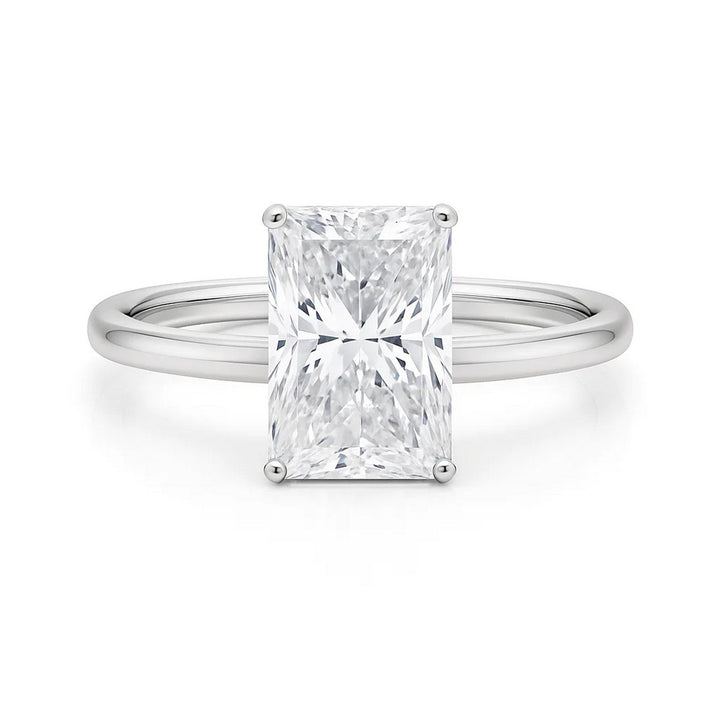
The lab-grown rings form a grid: round, oval, princess, radiant, emerald and cushion, each at 1.00, 1.50, 2.00, 3.00 and 5.00 ct. Color is G–H and clarity VS1–VS2 across all thirty, and every lab-grown solitaire ships with its own IGI certificate, a record of that exact diamond. They are made in solid 14K white or yellow gold, so the choice in front of you is shape and scale.
Three solitaires are set with natural diamonds in 14K white gold: a 0.50 ct and a 1.00 ct, and a 0.97 ct held by double prongs. Their diamonds are I–J in color, with clarity from SI2 to I2, and each product page lists the stone's details. Natural diamonds at DEEVE are conflict-free and responsibly sourced.
Settle the shape first. Round gives the most sparkle, oval and radiant read longer on the finger, emerald shows clean steps rather than sparkle, and princess and cushion keep a squarer outline. Then the carat weight, which decides presence more than anything else. Confirm your size against the size guide before ordering; one resize is included free, and the lifetime warranty covers prong work in our in-house workshop.
A short welcome, then new pieces and the occasional note from the workshop — no more than monthly. A few welcome emails first, then one letter a month at most, plus a reminder about pieces you viewed or left in your cart. Unsubscribe in a click. View our privacy policy and terms of service for more info.