





All necklaces
Chains, pendants, chokers and lariats, in solid 14K gold.
Seeing the full range
View the collectionThe piece that does the most with the least — natural diamonds set in solid 14K gold, from 0.05 to 0.49 carats.
In Brief
A diamond necklace is the piece that does the most with the least — a small stone at the collarbone reads from across a room. Every DEEVE diamond necklace is set in solid 14K gold, never plated or filled, on a chain built to be worn daily. Free worldwide shipping, with delivery in 5–7 business days.
Chains, pendants, chokers and lariats, in solid 14K gold.
Seeing the full range
View the collectionThe chain on its own — Cuban, Figaro, Franco, mariner and paperclip links.
Layering under or over a pendant
View the collectionEvery lab-grown piece in the range, if you want to start from the diamond.
Choosing by stone rather than by form
View the collectionThe Guide
The DEEVE Standard
FAQ
Every diamond necklace in this collection is set with natural diamonds. DEEVE states this plainly rather than leaving it to be assumed. These are accent-set stones, so no certificate is offered for them. DEEVE's lab-grown pieces — the diamond stud earrings, tennis bracelets and engagement rings — are listed and described separately.
No. These are natural diamonds, and DEEVE does not sell them with a diamond certificate. That is a deliberate distinction from our lab-grown pieces, where an individual IGI certificate is recorded per piece and stated on its listing — the two should not be confused.
Carat behaves differently at the collarbone than on a hand. The pieces here run from 0.05 to 0.49 carats total, and at that scale cut and setting do more for brightness than weight does — a bezel or prong that lifts the stone will out-sparkle a heavier stone set flat. Choose the setting and motif you want to see every day, then let carat follow.
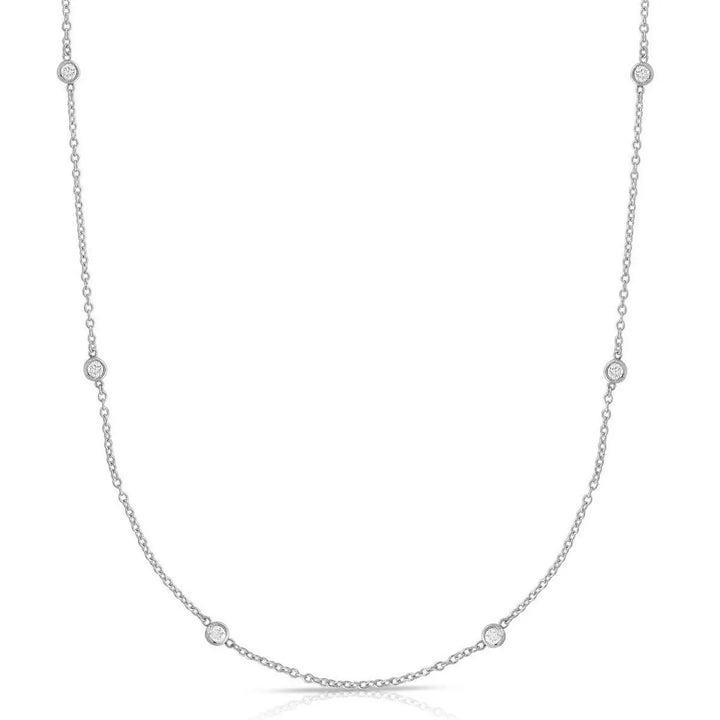
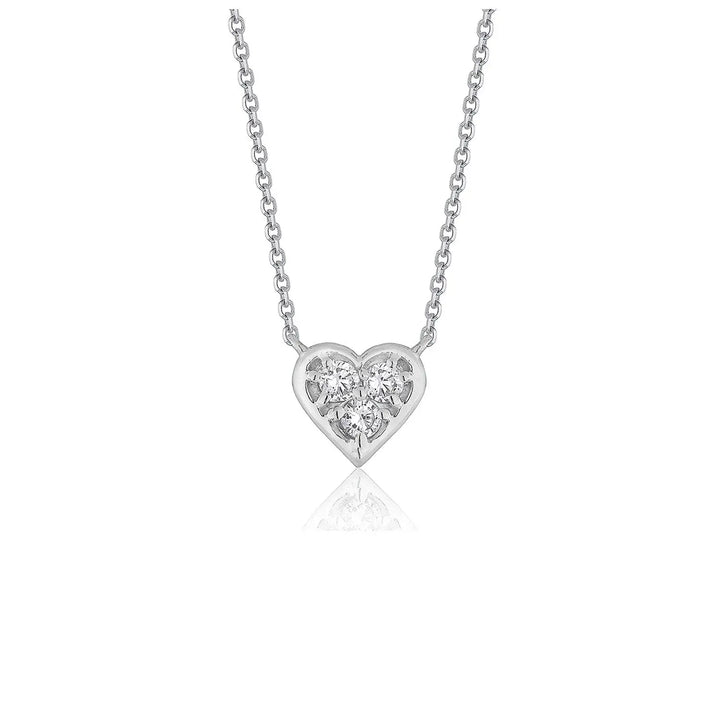
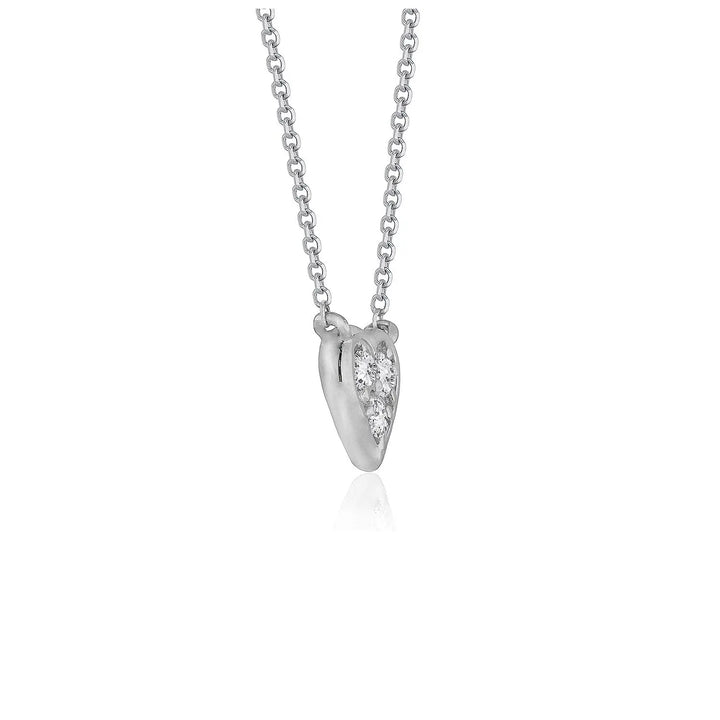
A pendant gathers the diamonds into one motif — a bar, a heart, a chevron, an open circle — and reads as a single deliberate point at the collarbone. A station necklace spreads the stones along the chain itself, usually bezel-set so nothing snags. Pendants make the stronger statement worn alone; stations sit more comfortably under a collar and layer more easily.
Yes, and these are built for it. Bezel settings enclose the stone's edge so there is nothing to catch on clothing, and prong settings here are low and rounded. Solid 14K gold has no plating to wear off. The practical advice is to put jewellery on last, after hairspray and perfume, and to take it off before swimming in chlorinated water.
Warm water, a drop of mild dish soap and a soft toothbrush along the back of the setting, where skin oils collect and dull the stone. Rinse and dry with a soft cloth. Avoid ultrasonic cleaners on pieces with included stones. DEEVE's in-house workshop will clean and check the settings at any point under the lifetime warranty.
From the Journal
 What Is a Lab Grown Diamond? Science, Quality & Why They're Real
Read the guide
 Diamond Certificates & Grading Reports: IGI, GIA & What They Mean
Read the guide
 Layering Necklaces, Rings, and Bracelets Like an Editorial Stylist
Read the guide
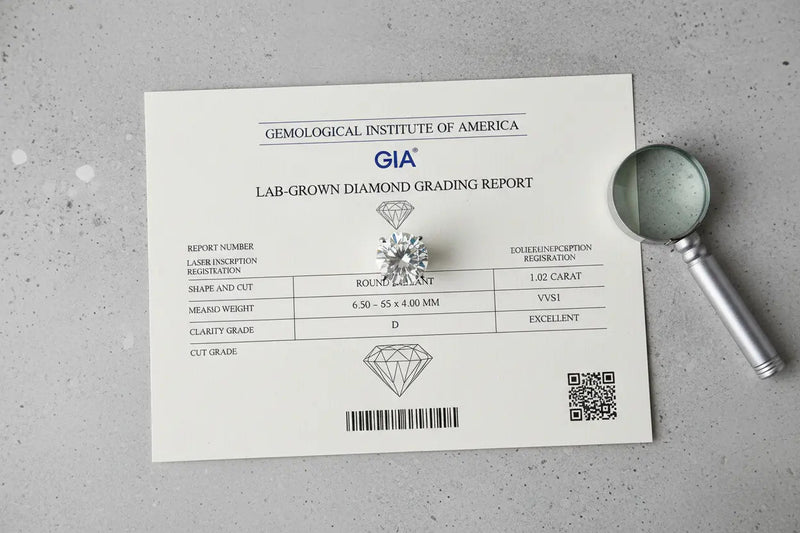 What Is an IGI Lab Grown Diamond Certificate — and How Do You Read One?
Read the guide
 IGI vs GIA for Lab-Grown Diamonds: Which Certificate Should You Trust?
Read the guide
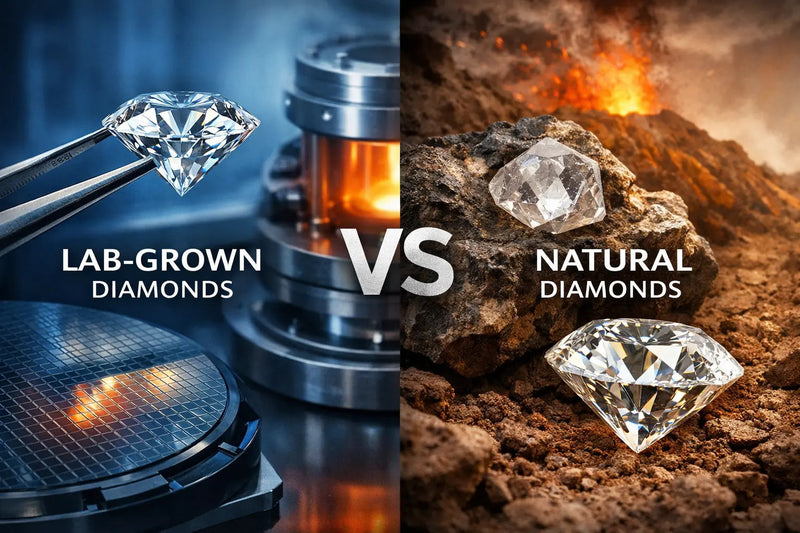 Lab-Grown vs Natural Diamonds: Are They Really the Same?
Read the guide
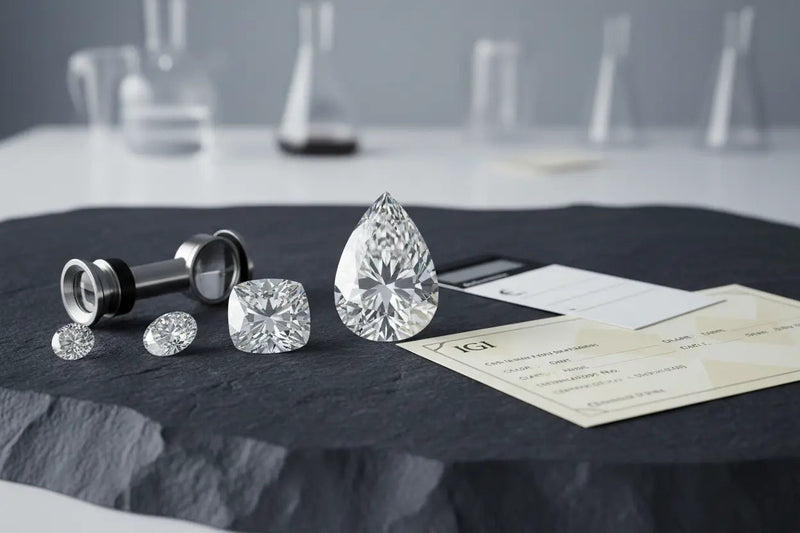 Lab-Grown Diamond Myths Debunked: What's True, What's Marketing?
Read the guide
 How Are Diamonds Formed? Natural vs Lab-Grown Formation Explained
Read the guide
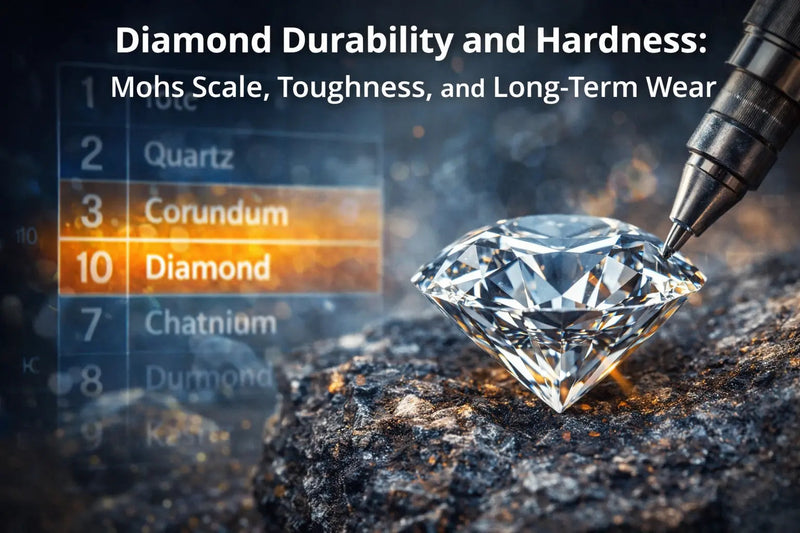 How Durable Are Diamonds? Hardness, Toughness & Long-Term Wear Explained
Read the guide
 The Complete Lab-Grown Diamond Guide: Everything You Need to Know Before You Buy
Read the guide
 Lab-Grown Diamond Price Per Carat in Canada: October 2026 Index
Read the guide
 Lab-Grown vs Mined Diamonds: Which Is Better for the Environment?
Read the guide
 Are Diamonds Ethical? Conflict-Free, Kimberley Process & Traceability Explained
Read the guide
 Diamond Brilliance, Fire & Scintillation: What Makes a Diamond Sparkle?
Read the guide
 What Is a Type IIa Diamond? The Purest Diamond Explained
Read the guide
 Understanding GIA Reports: Grading & Verification
Read the guide
 What Is an HRD Diamond Certificate — and Should You Trust It for Lab-Grown Diamonds?
Read the guide
 GIA vs HRD Diamond Certificates: Which Is Better for Lab-Grown Diamonds?
Read the guide
Recommended pieces

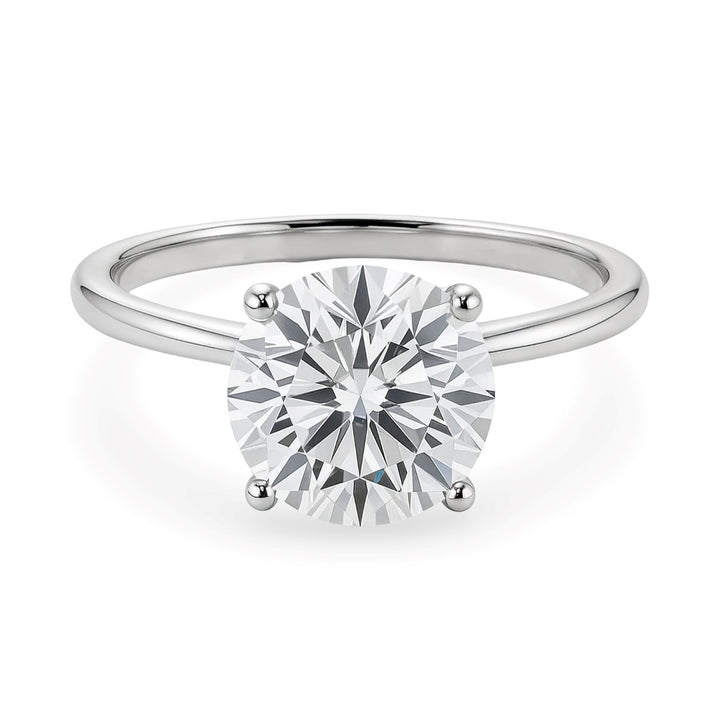
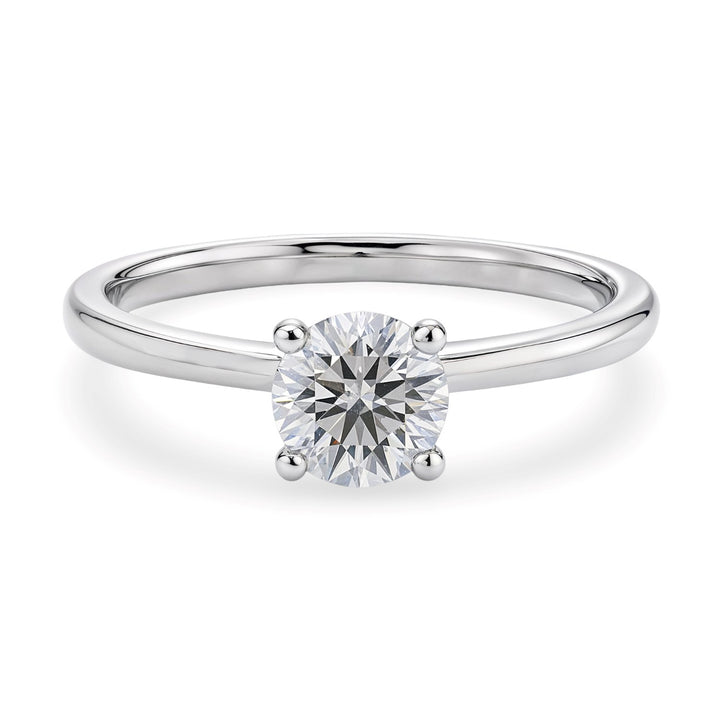
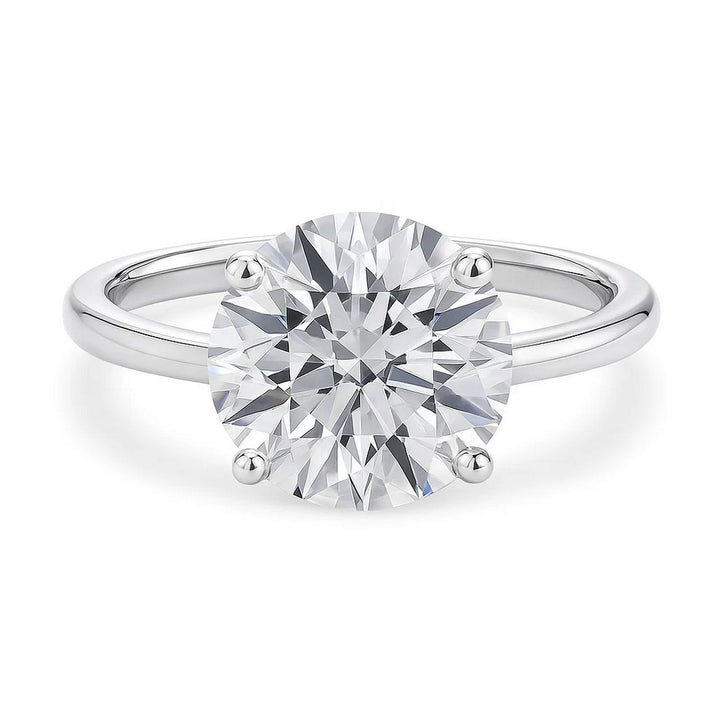

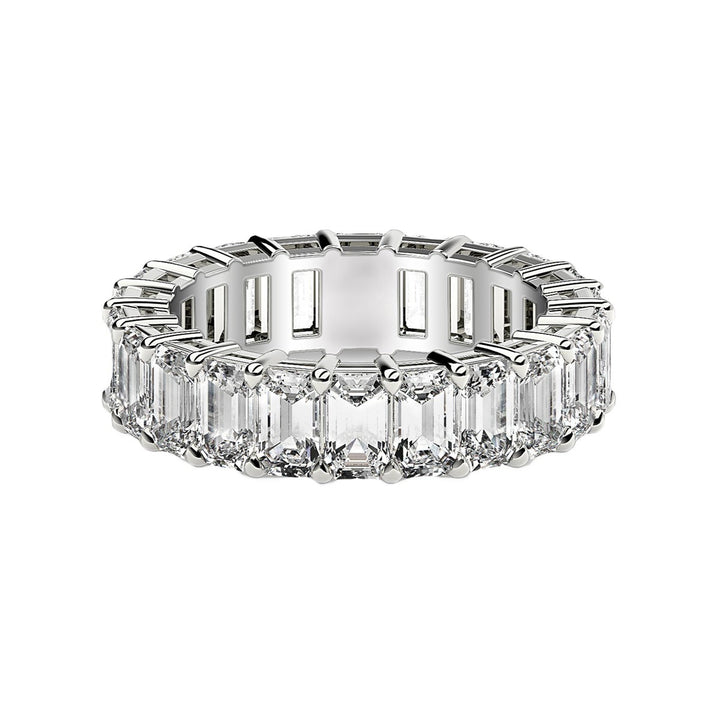
About this collection
A diamond necklace is the piece that does the most with the least — a small stone at the collarbone reads from across a room. Every DEEVE diamond necklace is set in solid 14K gold, never plated or filled, and comes on a chain built to be worn daily. Free worldwide shipping, with delivery in 5–7 business days.
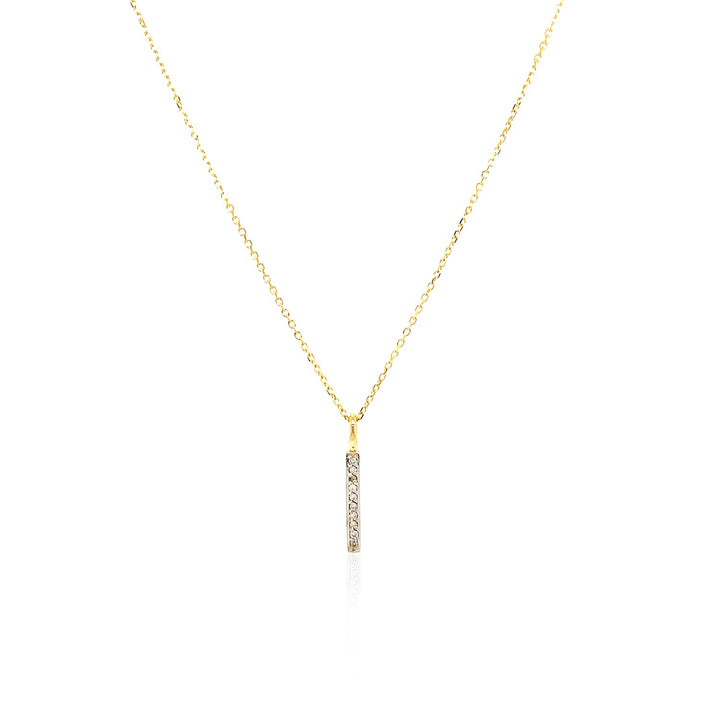
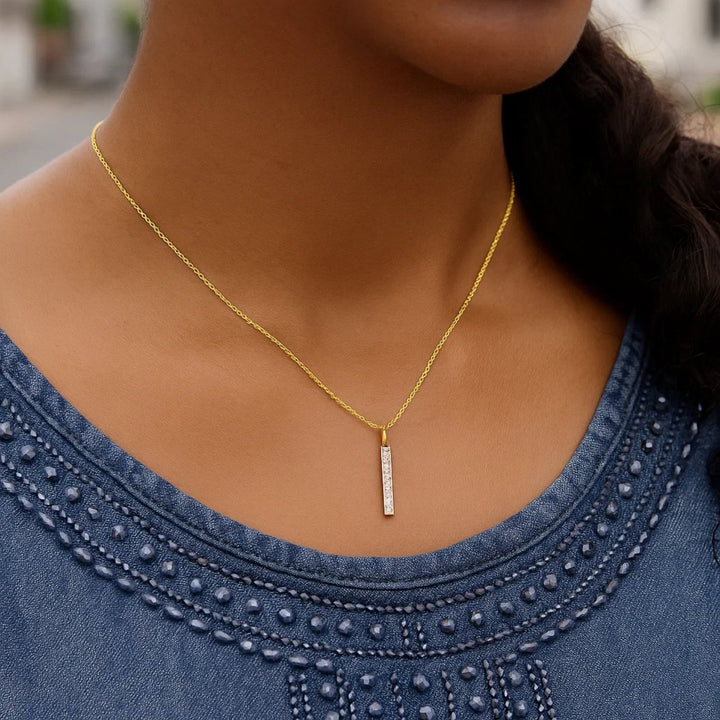
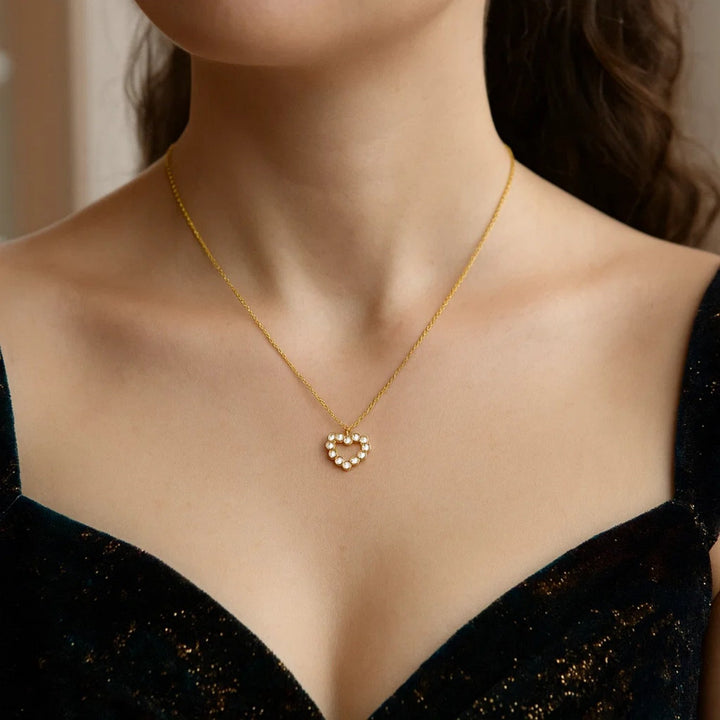
Pendants concentrate the diamonds in one motif — a bar, a heart, a chevron, an open circle, a flower — and hang from a fine cable chain, usually 16 or 18 inches. Station styles scatter the stones along the chain itself, bezel-set so nothing catches, which is what makes them wearable under a collar. Bar pendants sit vertically and read as the most modern of the group; charm and by-the-yard styles are the most informal.
These are natural diamonds, and DEEVE states that plainly. Total weights here run from 0.05 to 0.49 carats, in colours from I–J to J–K and clarities in the I1–I3 range — stones chosen to read bright at this scale rather than to chase a grading certificate. These stones are conflict-free and responsibly sourced. If a graded and certificated stone is what you are after, the lab-grown diamond studs are IGI-certified with the certificate included.
Sixteen inches sits at the base of the throat and suits a single pendant worn alone. Eighteen inches falls just below the collarbone and is the easiest length to layer over — pair a pendant at 16 with a plain gold chain at 18 or 20 for depth without tangling. The jewelry size guide has a full length reference.
A short welcome, then new pieces and the occasional note from the workshop — no more than monthly. A few welcome emails first, then one letter a month at most, plus a reminder about pieces you viewed or left in your cart. Unsubscribe in a click. View our privacy policy and terms of service for more info.