

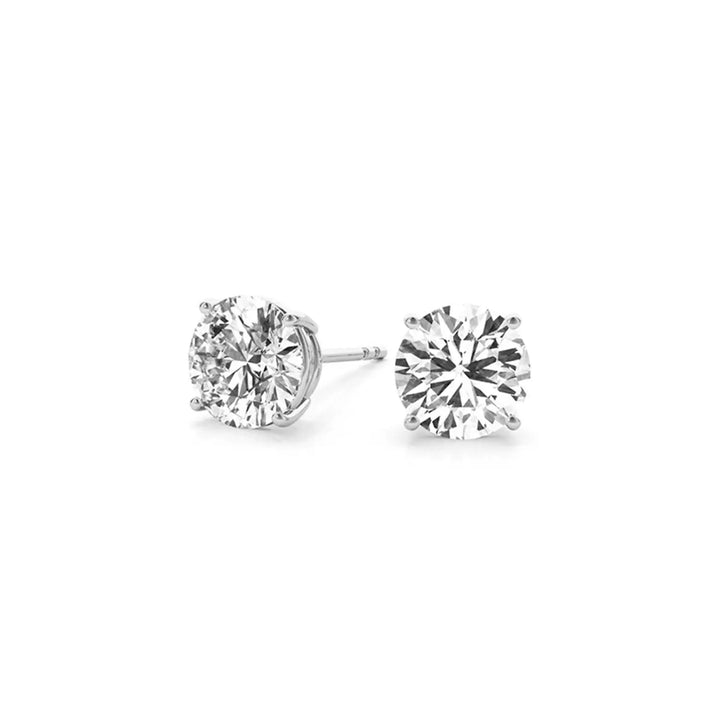


Engagement rings
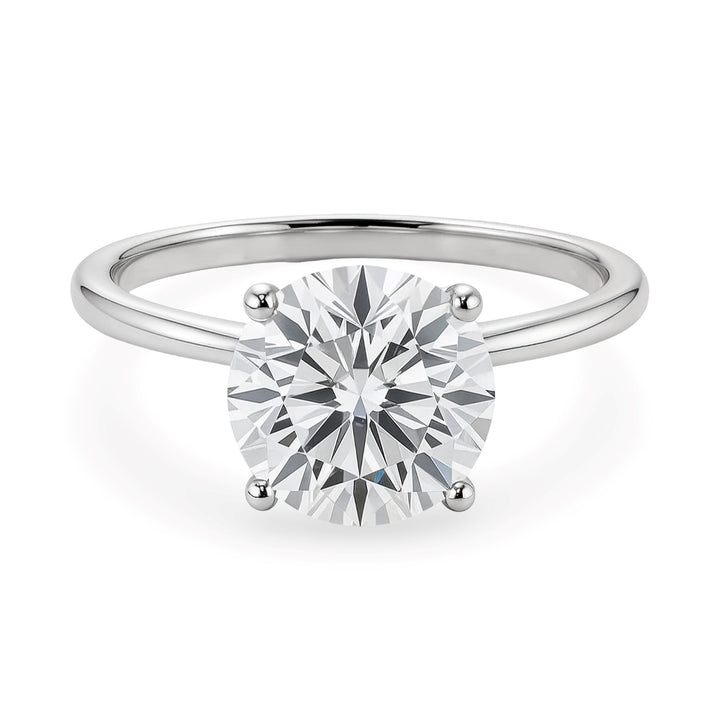
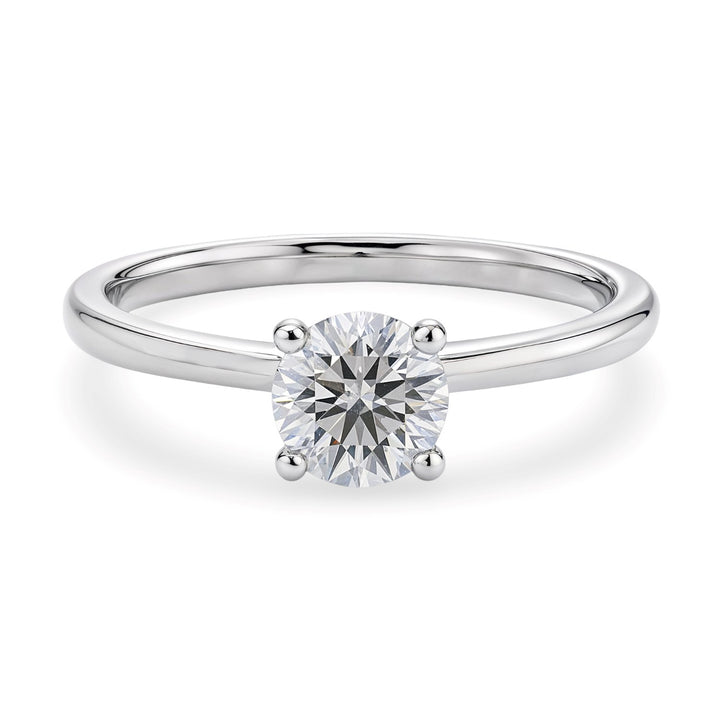
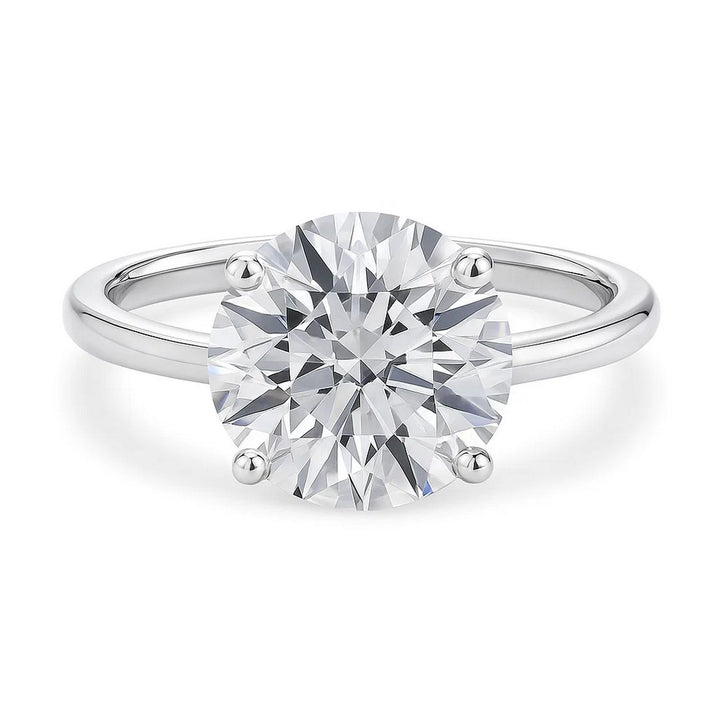
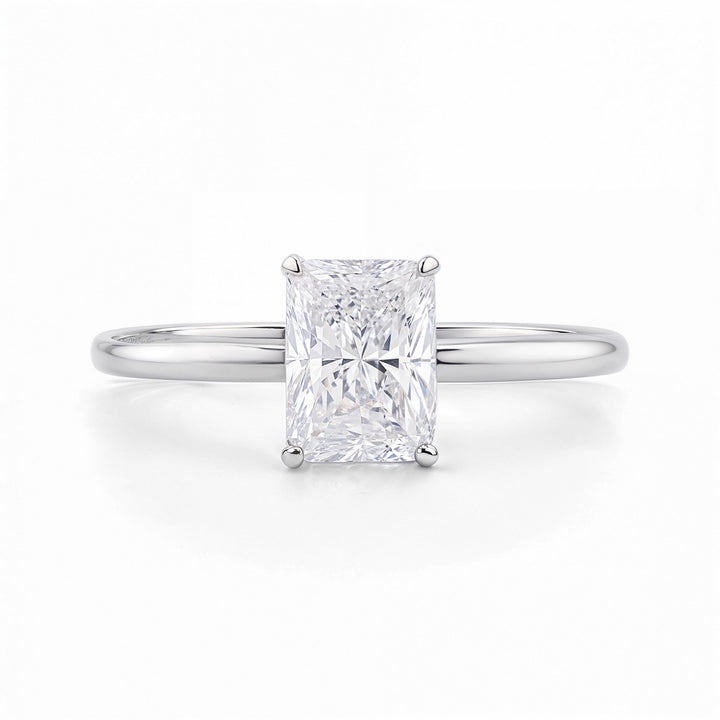
A single stone carries the whole decision, so cut and carat do the work. Round, oval, cushion, princess, emerald and radiant, from one to five carats.
A proposal, or a stone upgrade
View the collectionGrown rather than mined, and identical in every property that decides how a diamond looks and lasts. What changes is reach — a full eternity band, or a five-carat solitaire, arrives within a budget that would not otherwise carry it.
In Brief
A lab-grown diamond is a diamond: the same crystallised carbon, the same 10 on the Mohs scale, the same brilliance and fire as a stone formed underground. Only the origin differs. Every DEEVE lab-grown diamond is IGI graded and cut to Excellent — single-stone pieces arrive with an individual IGI certificate, while the smaller stones set in tennis bracelets and eternity bands are graded to the same standards without a per-stone certificate, whatever the total carat weight. All are set in solid 14K gold, never plated or filled, and carry the lifetime warranty.
A single stone carries the whole decision, so cut and carat do the work. Round, oval, cushion, princess, emerald and radiant, from one to five carats.
A proposal, or a stone upgrade
View the collectionDiamonds unbroken the whole way around — the form that reads as duration rather than as a single moment. Two to eight carats total.
Anniversaries and milestones
View the collectionA continuous line of light around the wrist. Two to ten carats, with the stones reading individually as the weight climbs.
Everyday wear through to statement
View the collectionThe most worn piece in most collections. Half a carat to four, with secure backs engineered for daily wear.
A first fine piece, or daily wear
View the collection
Compare
Both are diamond. The difference is where the carbon crystallised, and what that changes is grading, cost, and the carat weight within reach at a given budget.
| Lab-Grown | Natural | |
|---|---|---|
| CompositionChemically, physically and optically identical. Origin is the only difference. | Crystallised carbon | Crystallised carbon |
| Grading | IGI graded. Single-stone pieces — engagement rings, studs — include an individual IGI certificate; tennis bracelets and eternity bands, set with many smaller stones, are graded without one. | Conflict-free and responsibly sourced. |
| Cost at equal specificationThe figure DEEVE states storewide. | Approximately 70% less | Market price |
| Carat weight within a given budget | Higher — a full eternity band at 2 to 8 carats stays within reach | Lower at the same specification |
| Hardness and daily wearNo difference in durability. | 10 on the Mohs scale | 10 on the Mohs scale |
Neither is the better stone. Lab-grown suits a larger carat weight within a set budget, and arrives IGI graded — with an individual certificate on single-stone pieces. Natural suits a preference for a stone formed over geological time, and is conflict-free and responsibly sourced. The choice is one of priority, not quality.
Collection Specifications
Buying Guide
F–H colour and VS2–SI1 clarity is the range where a diamond reads colourless and eye-clean without paying for grades no one can see.
Because the stones are grown, a given budget reaches a materially higher carat weight — which is what makes a full eternity band at two to eight carats possible at all.
Sizing, polishing, repairs and gemmological assessment are handled in our own workshop, under the lifetime warranty.
The Guide
The DEEVE Standard
FAQ
Every piece in this collection, across four categories: solitaire engagement rings from 1 to 5 carats, full eternity bands from 2 to 8 carats total, tennis bracelets from 2 to 10 carats total, and stud earrings from half a carat to four. Every one is set in solid 14K gold, never plated or filled. Anything outside this collection is either a natural diamond piece or plain gold, and DEEVE labels each rather than leaving it to be inferred.
DEEVE states this per piece rather than by category: where a piece includes an individual IGI certificate, that is recorded on its listing. The tennis bracelets and eternity bands are built from many smaller stones — those are IGI graded to the same standard, but are supplied without an individual certificate. DEEVE draws that line explicitly, because graded and certified are not interchangeable words and only one of them means a document arrives with the piece.
Yes, and they are kept clearly apart from the lab grown pieces. The natural diamond jewellery — diamond necklaces and pendants, diamond hoops, and a number of engagement rings — is listed separately. Natural diamonds are conflict-free and responsibly sourced. IGI grading applies to the lab grown pieces and never to the naturals, which is why the two are never mixed in one listing.
Total carat weight — the sum of every stone in the piece. On a solitaire engagement ring the carat figure is one stone; on tennis bracelets, eternity bands and stud earrings it is a total. This is why a 5 carat tennis bracelet and a 5 carat solitaire look nothing alike and are not priced alike: the bracelet spreads that weight across dozens of small stones, the ring concentrates it in one. Read the figure as a total unless the listing describes a single centre stone.
By total carat weight, the 10 carat tennis bracelet. The eternity bands reach 8 carats total, the solitaire engagement rings 5 carats in a single centre stone, and the stud earrings 4 carats for the pair. Beyond the standard range, DEEVE's in-house workshop takes custom orders, which run two to six weeks depending on the complexity of the design and the approvals involved.
Start with the occasion rather than the stone. An engagement ring is a single centre stone chosen for shape and scale. An eternity band marks an anniversary or a birth and is worn alongside other rings. A tennis bracelet reads at the wrist rather than the hand, and is the piece most often bought for oneself. Studs are the foundation the rest pairs with. Each category page sets out the choices within it, and the lab grown diamond buying guide covers the decisions common to all four.
From the Journal
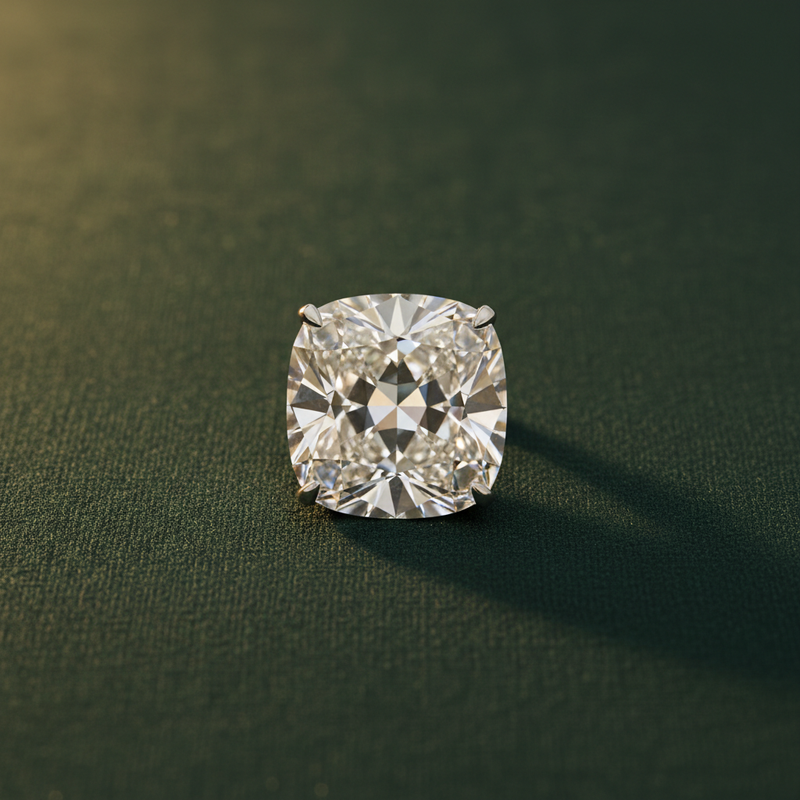 The Complete Lab-Grown Diamond Guide: Everything You Need to Know Before You Buy
Read the guide
The Complete Lab-Grown Diamond Guide: Everything You Need to Know Before You Buy
Read the guide
 What Is a Lab Grown Diamond? Science, Quality & Why They're Real
Read the guide
What Is a Lab Grown Diamond? Science, Quality & Why They're Real
Read the guide
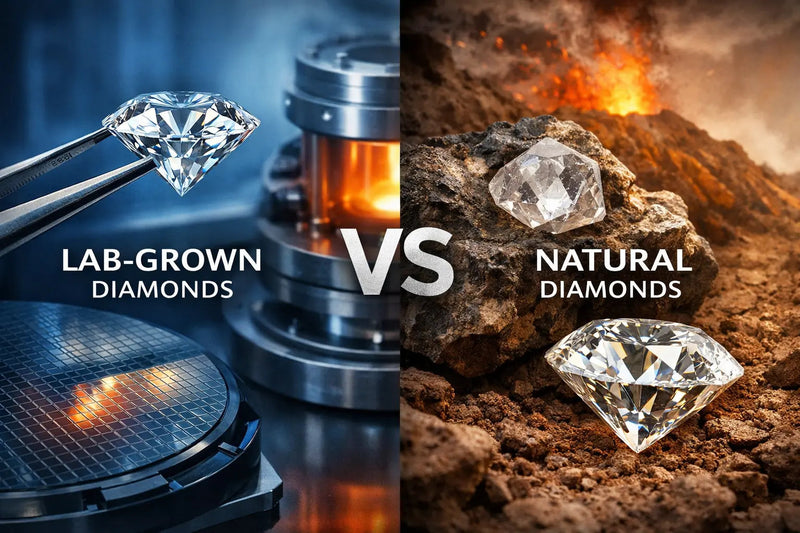 Lab-Grown vs Natural Diamonds: Are They Really the Same?
Read the guide
Lab-Grown vs Natural Diamonds: Are They Really the Same?
Read the guide
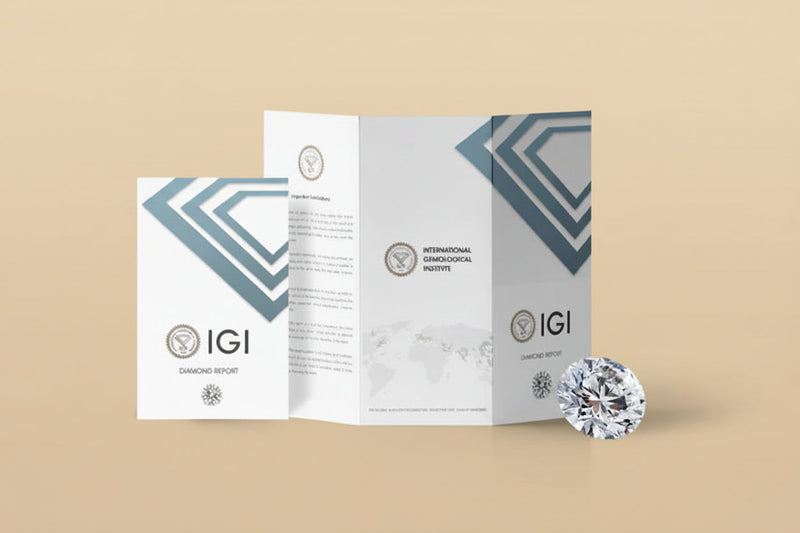 Diamond Certificates & Grading Reports: IGI, GIA & What They Mean
Read the guide
Diamond Certificates & Grading Reports: IGI, GIA & What They Mean
Read the guide
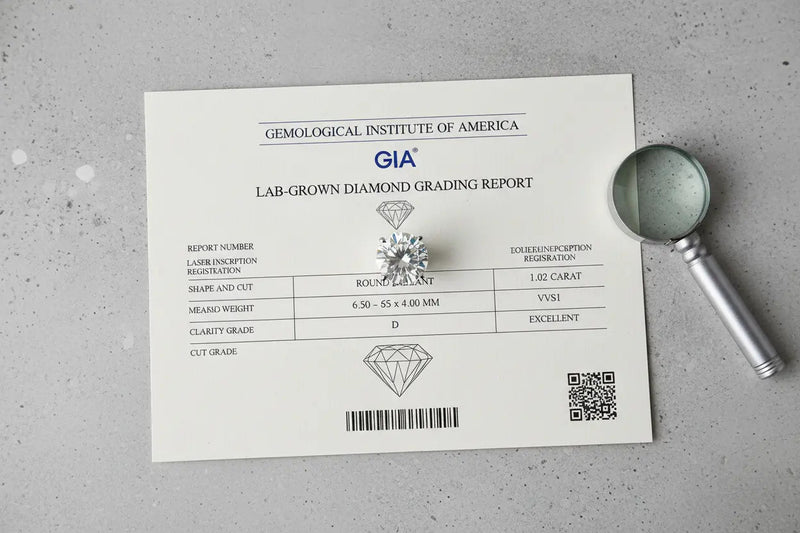 What Is an IGI Lab Grown Diamond Certificate — and How Do You Read One?
Read the guide
What Is an IGI Lab Grown Diamond Certificate — and How Do You Read One?
Read the guide
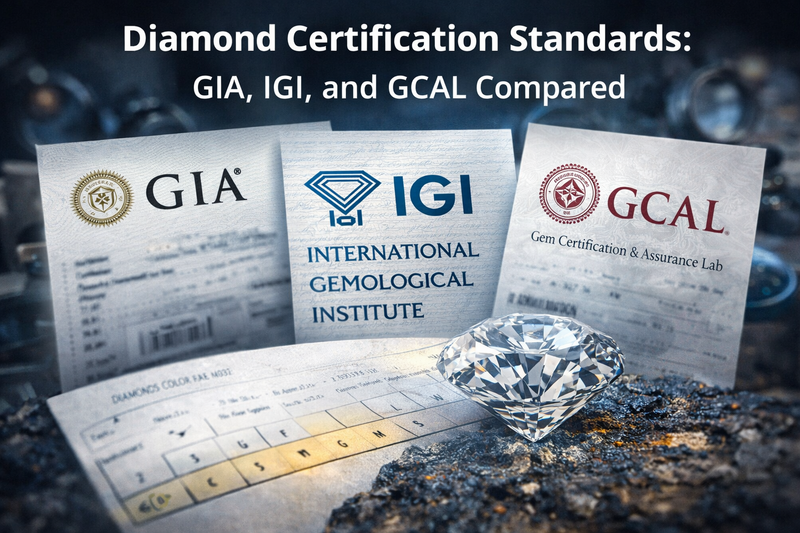 IGI vs GIA for Lab-Grown Diamonds: Which Certificate Should You Trust?
Read the guide
IGI vs GIA for Lab-Grown Diamonds: Which Certificate Should You Trust?
Read the guide
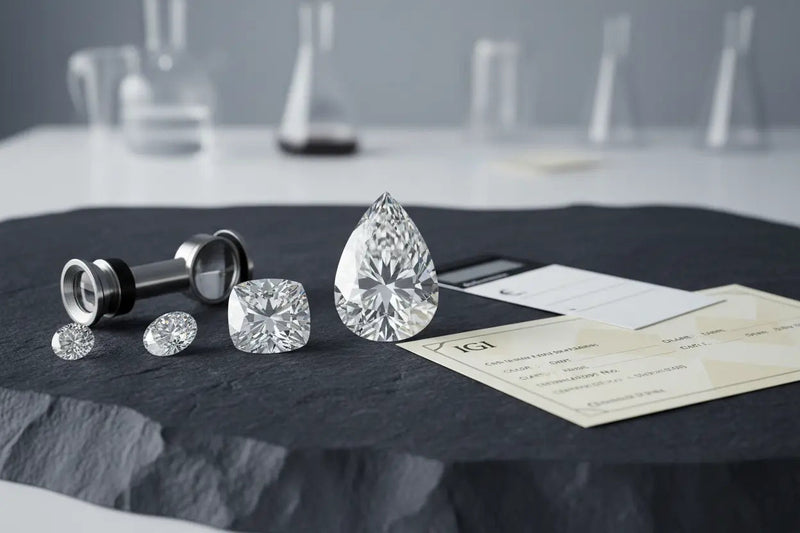 Lab-Grown Diamond Myths Debunked: What's True, What's Marketing?
Read the guide
Lab-Grown Diamond Myths Debunked: What's True, What's Marketing?
Read the guide
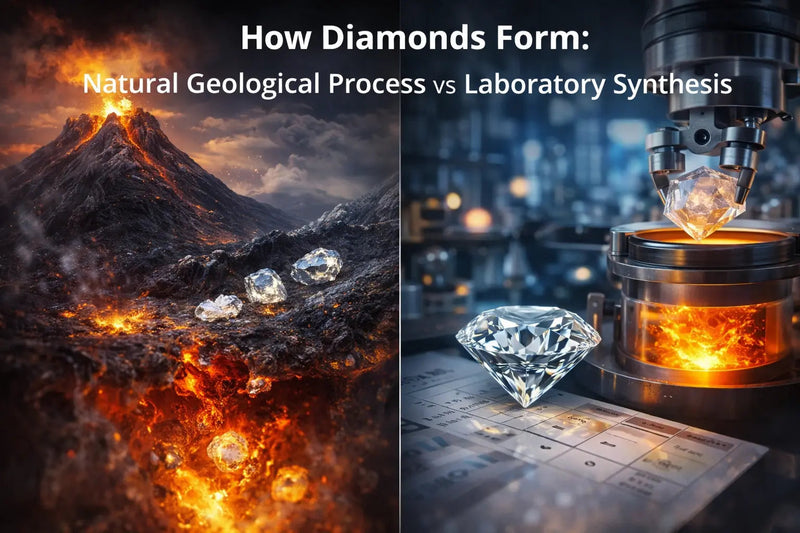 How Are Diamonds Formed? Natural vs Lab-Grown Formation Explained
Read the guide
How Are Diamonds Formed? Natural vs Lab-Grown Formation Explained
Read the guide
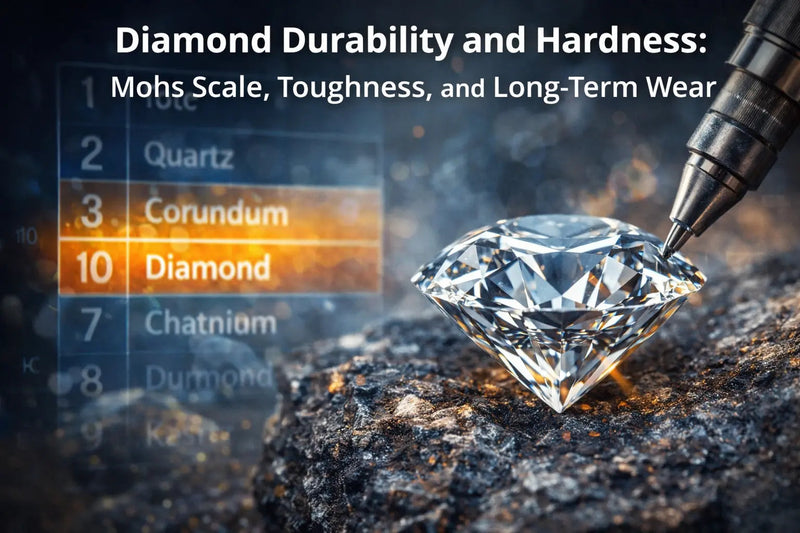 How Durable Are Diamonds? Hardness, Toughness & Long-Term Wear Explained
Read the guide
How Durable Are Diamonds? Hardness, Toughness & Long-Term Wear Explained
Read the guide
Recommended pieces

About this collection
Lab grown diamonds are diamonds: the same carbon lattice, the same hardness, the same fire, grown in a laboratory rather than found in the ground. DEEVE sets them in solid 14K gold, never plated or filled, across four categories. Free worldwide shipping, with delivery in 5–7 business days.
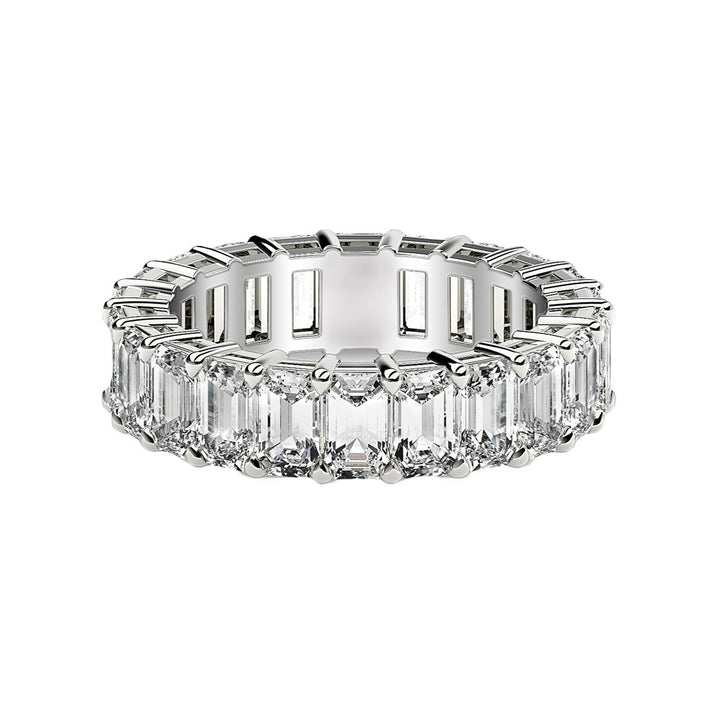
Every piece here is set with lab grown diamonds and nothing else. Engagement rings in round, oval, cushion, princess, emerald and radiant cuts, from 1 to 5 carats. Eternity bands in round and emerald cut, from 2 to 8 carats total. Tennis bracelets from 2 to 10 carats. Stud earrings from half a carat to four.
Every DEEVE diamond is graded by IGI. What arrives with the piece depends on the size of the stones. The solitaire engagement rings and the stud earrings are set with single stones, and each of those includes its IGI certificate. The tennis bracelets and eternity bands are built from many smaller stones, IGI graded but supplied without an individual certificate, whatever the total carat weight. Both are held to the same grading standard; what differs is the paperwork, and DEEVE states which is which rather than letting the word certified do work it should not.
DEEVE sells both, and labels both. The pieces in this collection are lab grown. The natural diamond pieces — diamond necklaces, diamond hoops and a number of engagement rings — are listed separately; they are conflict-free and responsibly sourced. For the science rather than the sales pitch, read Lab-Grown vs Natural Diamonds.
Carat is the number people arrive with, but cut is what the eye reads. A well-cut 1 carat stone returns more light than a heavier stone cut for weight, and at the sizes here the difference is visible across a table. Colour and clarity matter less than most buyers expect once a stone is set in gold and worn at arm's length. Decide the shape first, then the setting, then let carat settle where the budget lands.
A short welcome, then new pieces and the occasional note from the workshop — no more than monthly. Plus your 10% code. A few welcome emails first, then one letter a month at most, plus a reminder about pieces you viewed or left in your cart. Unsubscribe in a click. One welcome code per customer. View our privacy policy and terms of service for more info.